About the Product
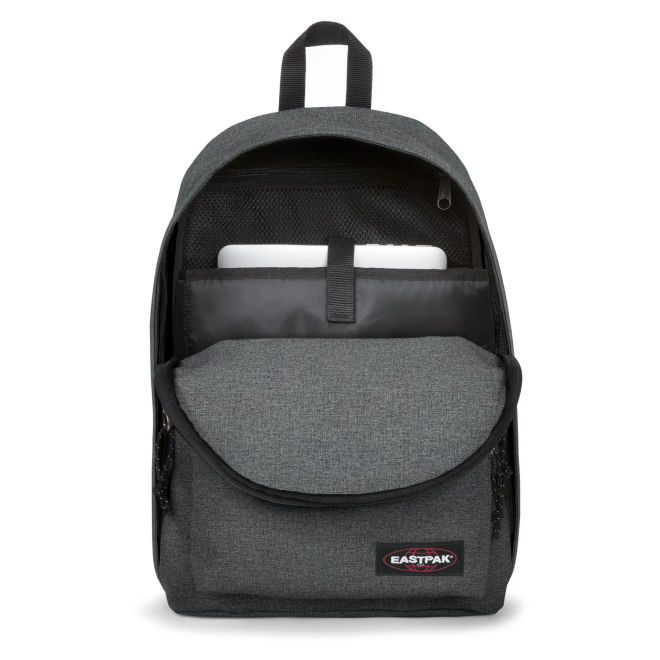
Eastpak’s Out Of Office Backpack is a straightforward everyday carry option that leans into long-lasting basics: a clean two-compartment layout, padded shoulder straps/back panel, and a padded laptop sleeve sized for devices up to 16 in. At 31 L, it’s a touch roomier than the typical 20–30 L “daily driver,” which is helpful if you carry bulkier layers or a lunch kit, but it can feel oversized if you want a slim commute pack.
For durability and ownership costs, the big headline is Eastpak’s 30-year limited warranty covering manufacturing defects (materials/workmanship). That’s unusually long for an everyday backpack, and it’s backed by an online claim process. The tradeoffs are important: the warranty doesn’t cover normal wear and tear (or misuse/cosmetic damage), and you may have to pay inbound shipping for service—so it’s not a blanket “no-questions” guarantee. On the build side, listings note reinforced stitching in key areas and water resistance for light rain, but the materials details are thinner than we’d like for a true heirloom pick (fabric denier and zipper brand aren’t clearly specified), which makes it harder to compare apples-to-apples with more spec-forward packs.
Fixability is decent in the practical sense: the straps and common coil zippers are the kind of components a repair shop can usually work with, and Eastpak publishes care guidance and supports warranty repairs. Just don’t expect modular, user-replaceable parts or an aftermarket spares ecosystem. If you want a reliable, simple backpack with a long warranty horizon—and you’re okay with the exclusions—this one is a sensible long-term everyday option.
About Eastpak
Eastpak is a long-running backpack and luggage brand with roots going back to 1952, when it began supplying packs for the U.S. military before expanding into civilian and student markets. That history still shapes the brand’s identity today: Eastpak openly positions itself around long-lasting products, pairing straightforward, utilitarian designs with a limited 30-year warranty that’s meant to cover manufacturing defects. Durability is central to its story, and the company frequently frames longevity as part of its sustainability approach—arguing that products built to last reduce waste over time.
In practice, Eastpak’s reputation is solid but not flawless. Many of its classic models have earned broad consumer trust through years of everyday use, and high sales volumes suggest they meet expectations for reliability in the mid-priced backpack category. At the same time, independent reviews show mixed experiences with warranty claims and repairs, particularly around logistics and what counts as “normal wear.” That makes Eastpak less of a true heirloom brand and more of a dependable, long-term everyday option—durable, but not immune to tradeoffs.
From a stability standpoint, Eastpak benefits from being part of VF Corporation, a large, publicly traded parent company that also owns other major outdoor and lifestyle brands. This backing supports ongoing customer service and warranty infrastructure, though VF has signaled it may reassess parts of its packs business in the future. Overall, Eastpak stands out as a pragmatic choice for shoppers who value durability, long-term use, and consumer trust—with clear strengths in longevity, and some limitations worth understanding before buying.